
Birdwatching in Sian Ka’an means roughly 345 recorded species across freshwater lagoon, mangrove, tropical forest, savannah and coastal dune — five habitats within a morning of each other. This is what to expect, when to come, and why our guides find birds by ear long before you see them.
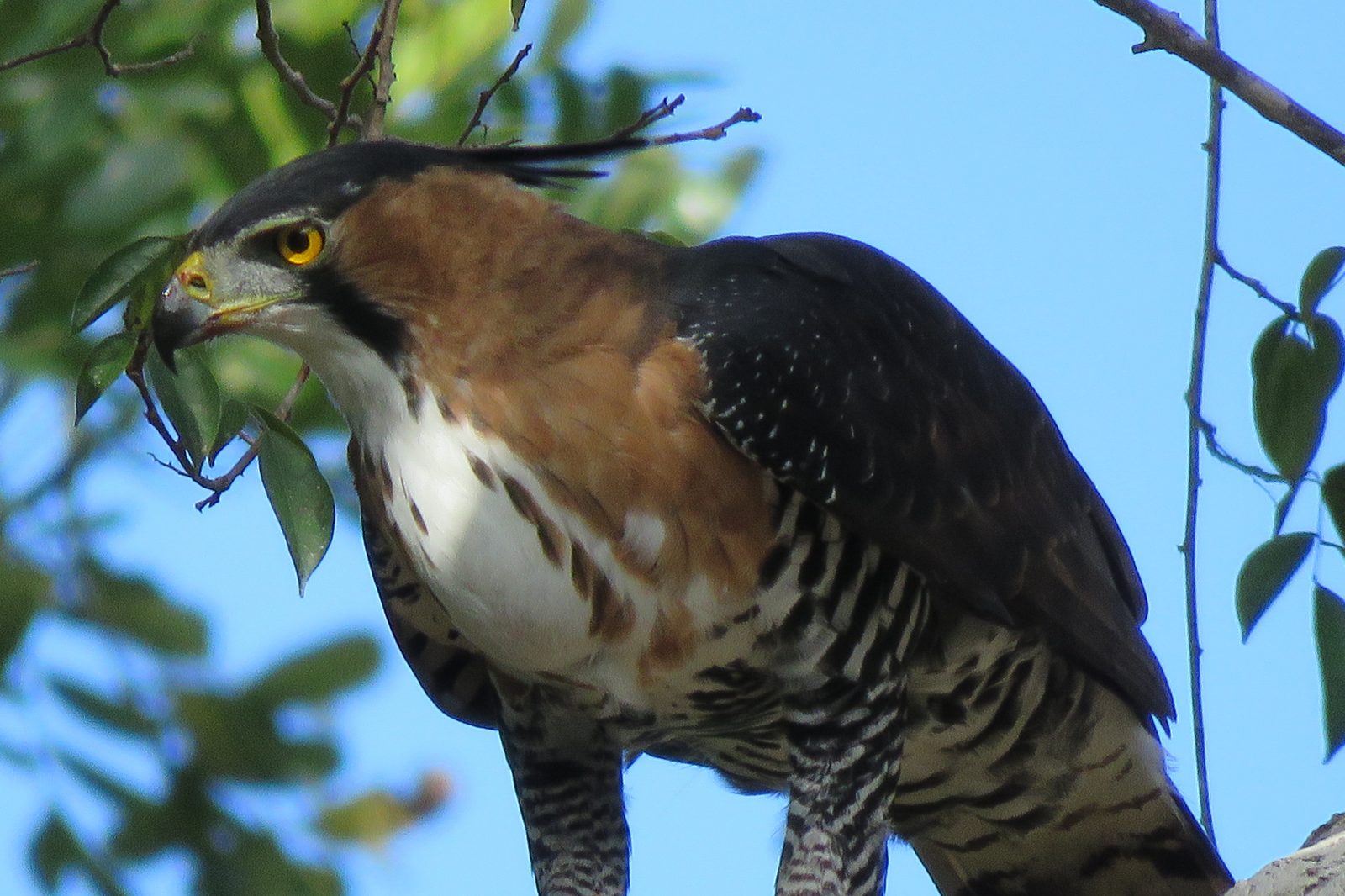
Why the Numbers Are So High
Sian Ka’an sits on the Mesoamerican flyway, where North American migrants funnel south, and it protects five habitats at once. A single 5-hour morning can produce forest species, wetland waders, raptors and coastal birds — a combination most destinations need three separate trips to match. The full ecological picture is in our Sian Ka’an visitor guide.
The Species That Make People Book
The turquoise-browed motmot (toh), guardian of cenotes in Maya tradition. The ferruginous pygmy-owl, day-hunting and smaller than a fist. Bat falcons at dusk. Roseate spoonbills sweeping the shallows. Magnificent frigatebirds with scarlet pouches. Plus herons, egrets, cormorants, ospreys, woodpeckers, parrots, trogons and — October to March — the warbler wave. Twenty of them are profiled in our wildlife field guide.
The Tour, Honestly
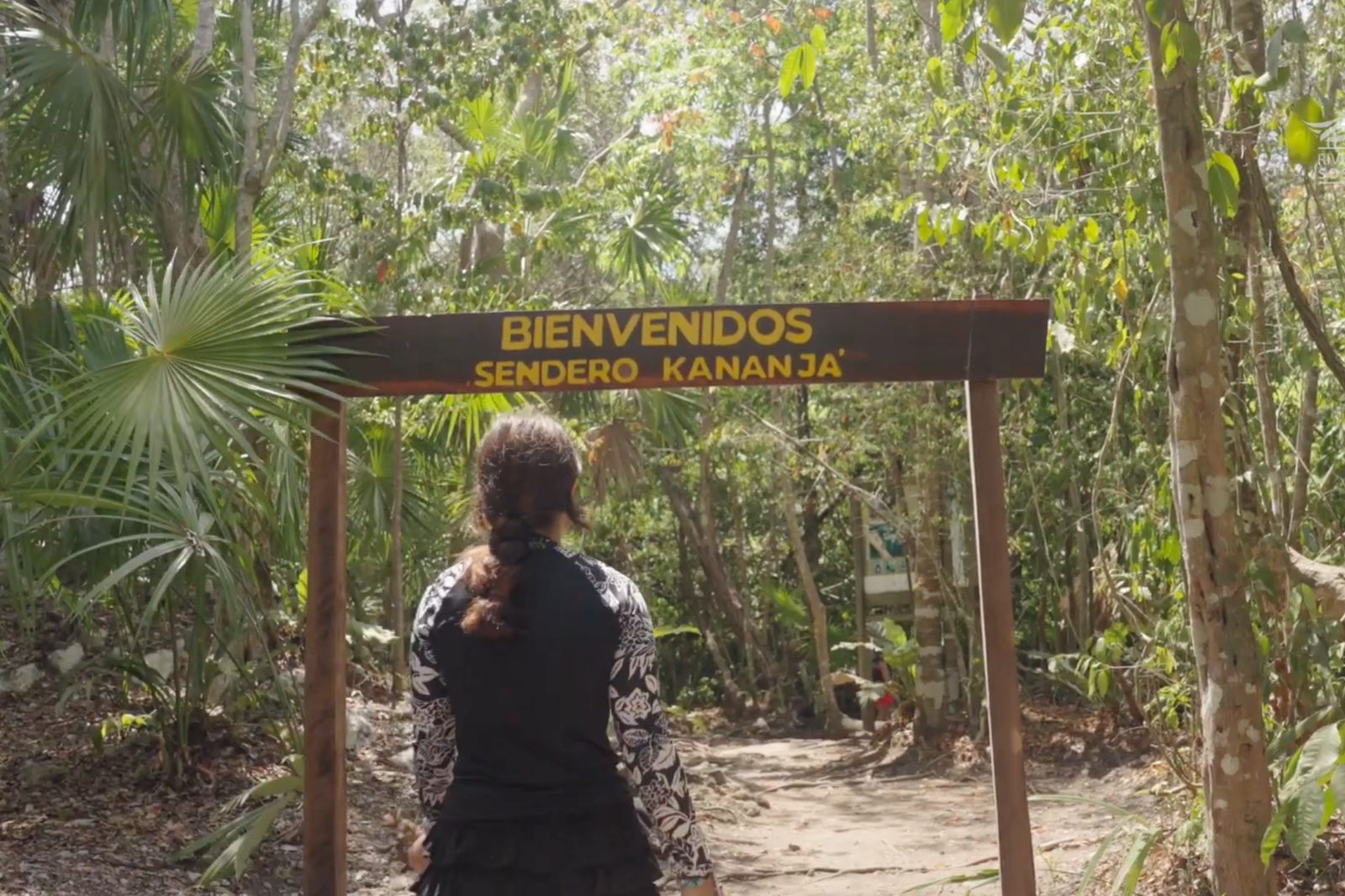
The Bird Watching & Mayan Herbal Medicine tour is 5 hours, ages 12+, $2,700 MXN, starting at 6:00 a.m. It is self-arrival: you make your own way to our meeting point in Muyil, about 20 minutes from Tulum or an hour from Playa del Carmen. Small groups, slow pace, and between sightings your guide explains the plants his grandmother used as medicine — which is why the tour has two names.
Tell Us What You Want to See
When you book, name your target species. Guides plan trails around it — a different route for motmots than for waders. No one can promise a bird, but local knowledge beats luck almost every time.
Best Season
November–March: residents plus North American migrants, cool mornings, peak diversity.
April–June: breeding season — frigatebird pouches, nesting activity, fewer visitors.
July–October: lush and quiet; afternoon rain, spectacular light, lowest prices.
Any month works if you start at 6:00 a.m.
What to Bring
Binoculars (bring your own — we carry a few but not for everyone), a camera with reach, muted clothing, long sleeves against mosquitoes, water, and biodegradable repellent and sunscreen. Cash for the federal entry fee (~$225 MXN per person).
The Ethics
No playback abuse, no baiting, no approaching nests. If a bird changes behaviour because of us, we have gone too close. Small groups exist for the birds, not for the price.
Meet the Community Behind the Tour
In just two minutes, discover who we are — the Maya families and cooperative members who make every experience authentic and regenerative:
Frequently Asked Questions
How many bird species are in Sian Ka’an?
Around 345 recorded species across the reserve’s five habitats, including residents and North American migrants.
Is the bird watching tour good for beginners?
Yes. Guides identify by sound and set up the scope on anything worth seeing. Ages 12 and up, because it requires quiet and patience.
Does the birdwatching tour include pickup?
No — it is self-arrival at our meeting point in Muyil. If you need transportation, ask us on WhatsApp and we will suggest options.
What is the best month for birding in Sian Ka’an?
January and February combine resident species with peak migrants and the most comfortable weather, though every month has its specialities.
Ready for a 6 a.m. Alarm Worth Setting?
Book your birdwatching morning in Sian Ka’an directly with the Maya cooperative.
Questions? Contact us at reservacionesctsk@siankaantours.com.mx or WhatsApp +52 984 114 0750