
Sian Ka’an shelters roughly 345 bird species, five wild cats, crocodiles, manatees, monkeys and more than 300 reef fish across 1.3 million acres. This is a field guide to what you can realistically see on a day inside the Sian Ka’an Biosphere Reserve — written by the Maya guides who watch it every morning, with an honest note on what you almost certainly will not see.
The Birds (You Will See These)
1. Great Blue Heron
The sentinel of the lagoon: motionless on a dead branch, then a sudden strike. Present year-round on every canal route.
2. Magnificent Frigatebird
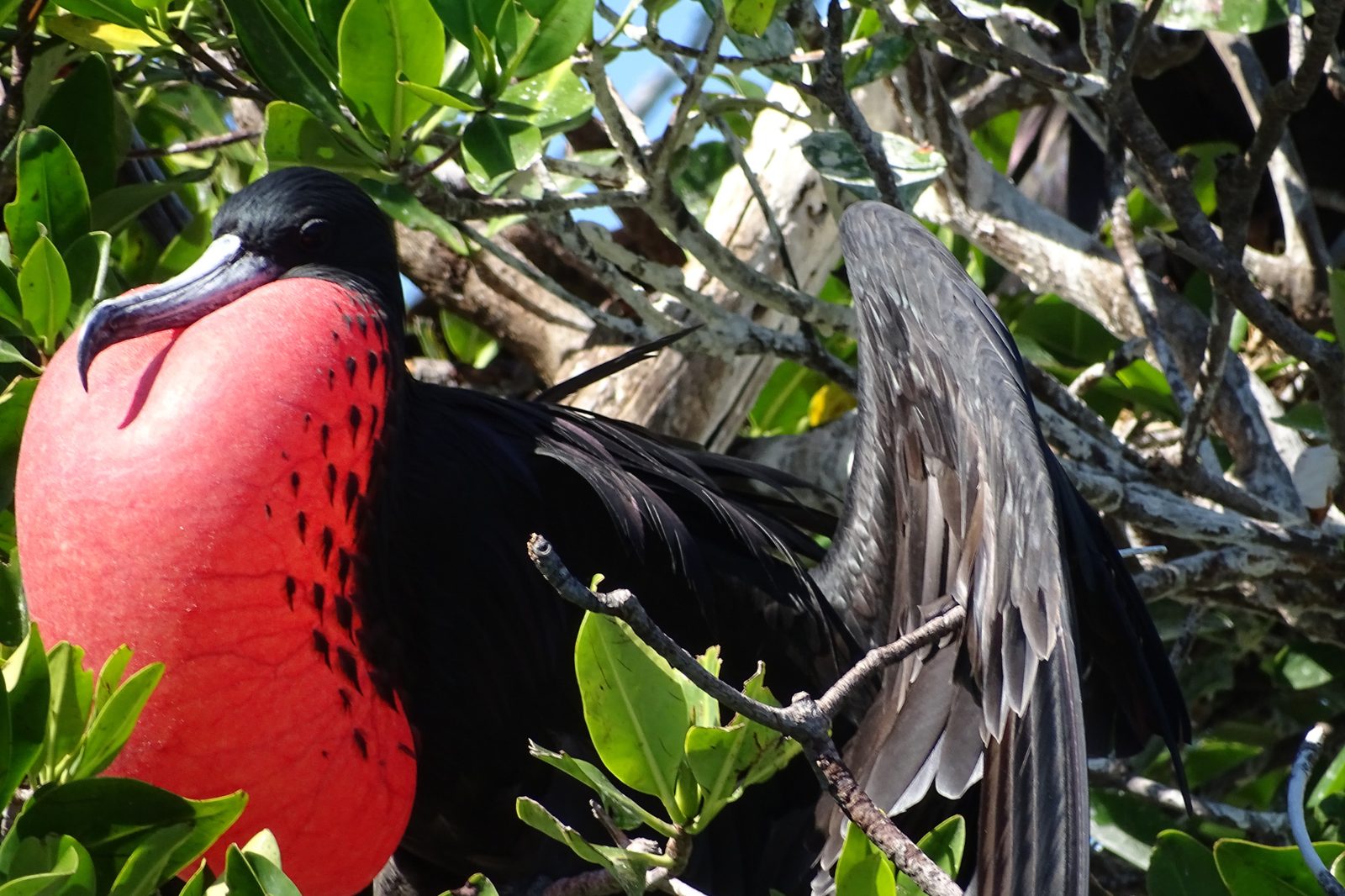
Pirates of the bay — they steal fish mid-air from other birds. In breeding season the males inflate a scarlet throat pouch the size of a balloon.
3. Turquoise-browed Motmot (the Toh)
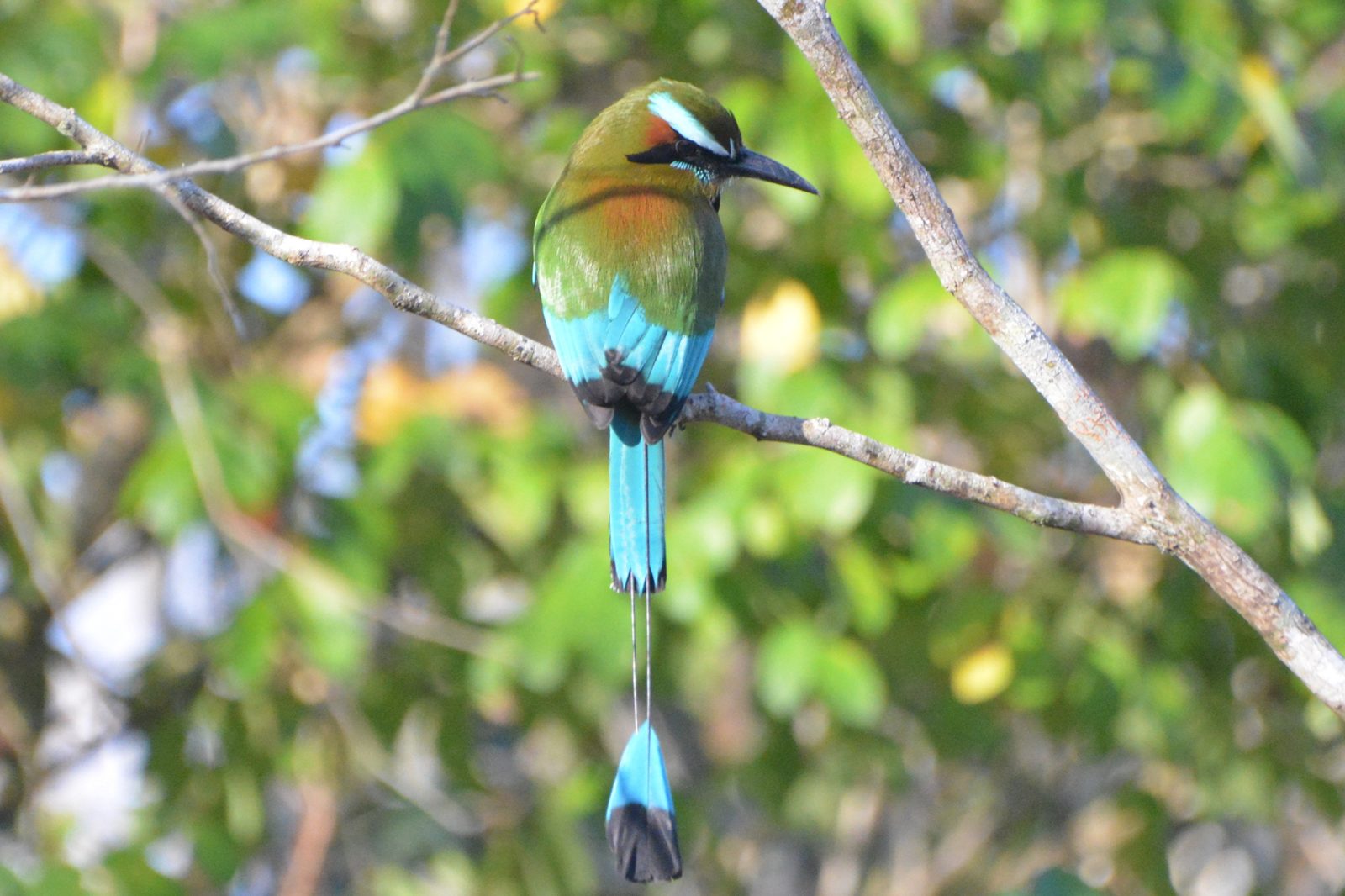
Racket-tipped tail, electric turquoise brow. In Maya tradition the toh guards the cenotes and the entrances to the underworld. Our guides find them by sound before you ever see them.
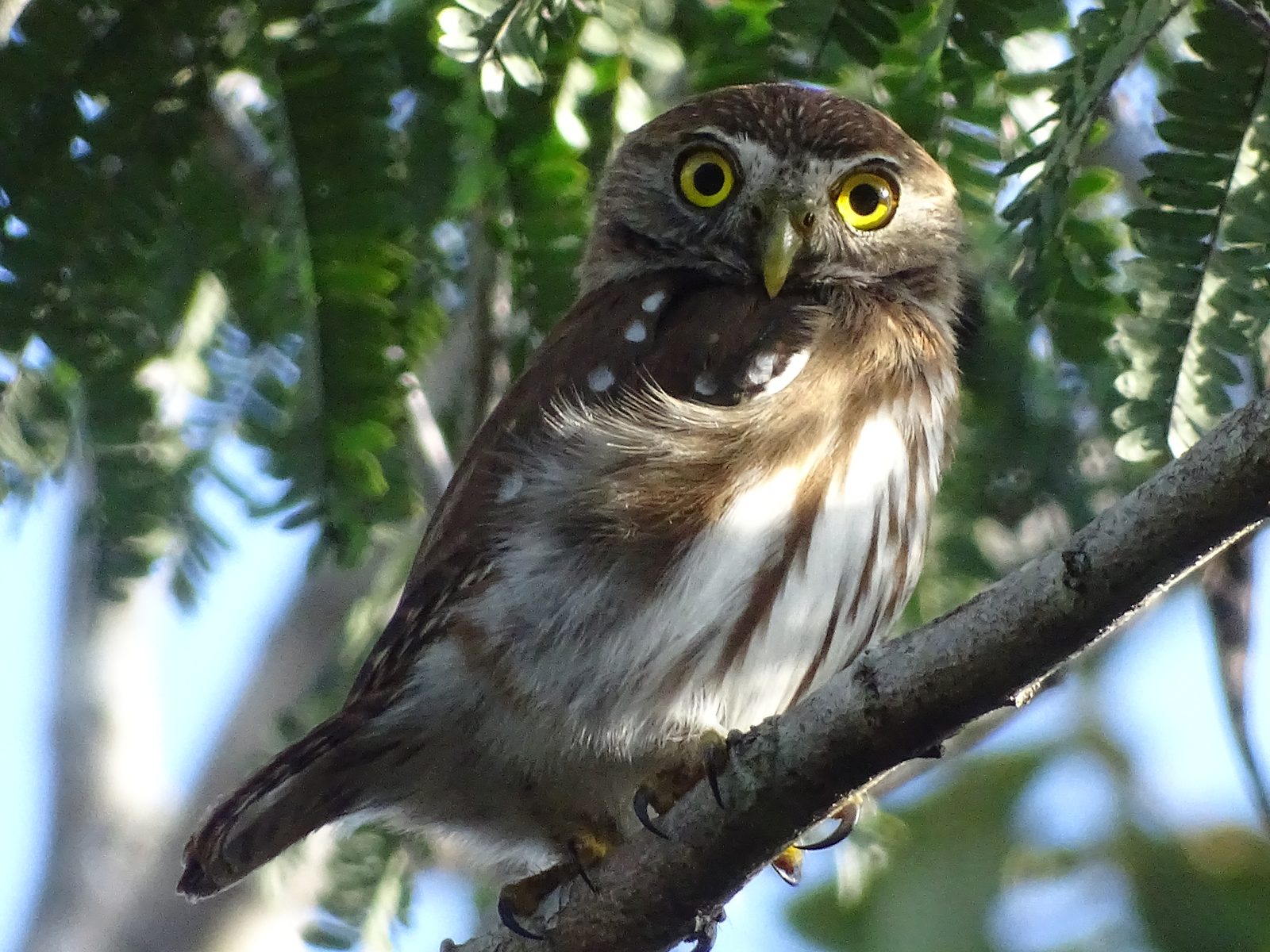
4. Ferruginous Pygmy-Owl
Barely bigger than a fist, hunts by day, and has false eyes on the back of its head to fool predators. A highlight of the Bird Watching & Mayan Herbal Medicine tour.
5. Golden-fronted Woodpecker
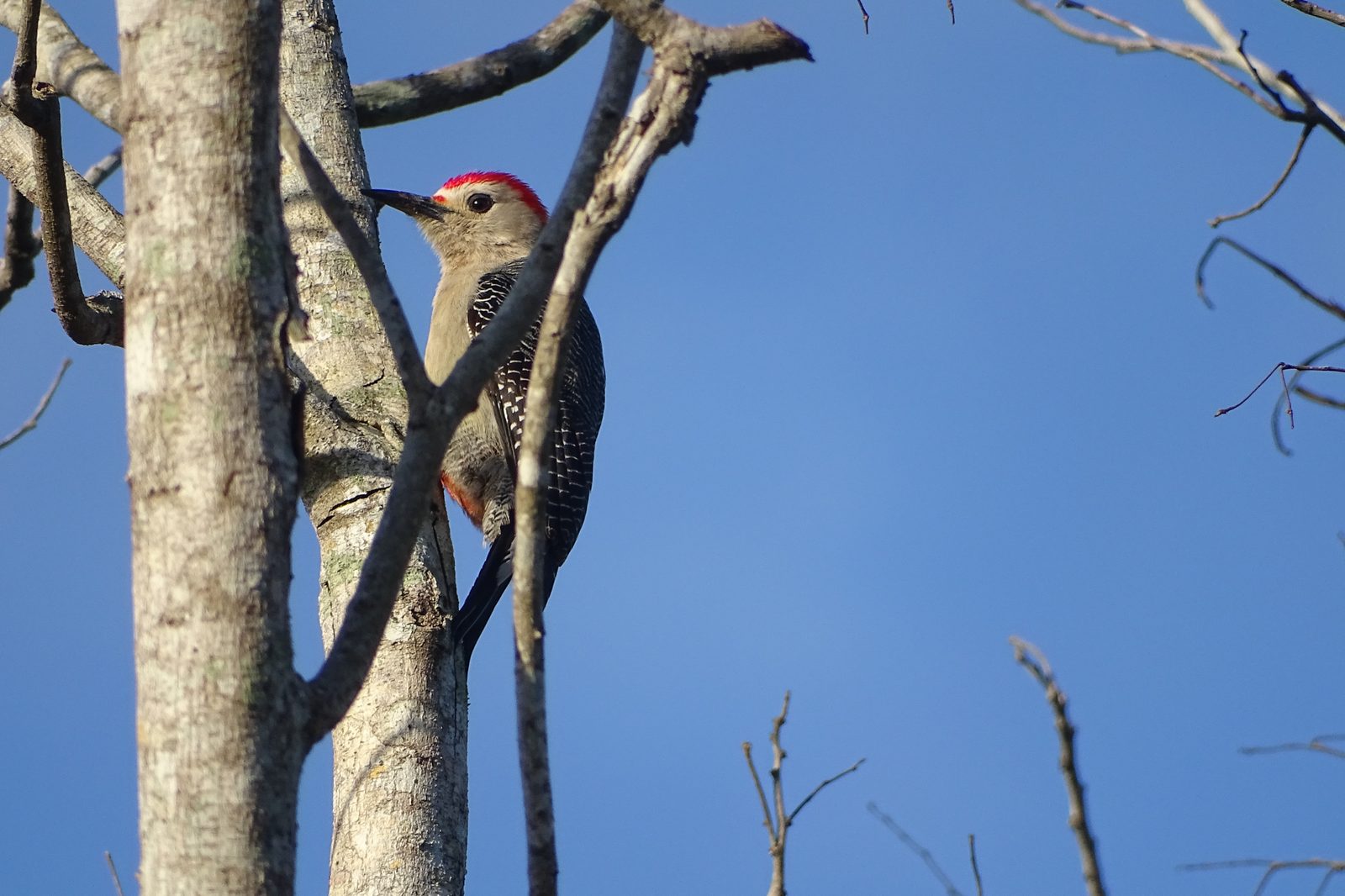
Heard before seen, drilling the dead palms along the trails.
6. Bat Falcon
A small, fast raptor that hunts bats and dragonflies at dusk from a bare perch above the wetland.
7. Roseate Spoonbill
Pink, absurd, wonderful. Sweeps the shallows with a spatula bill. Most reliable in the dry season.
8. Snowy Egret & Cormorants
The everyday cast of the mangrove edge — and the two birds whose stucco reliefs still decorate El Castillo at Muyil, carved a thousand years ago.
9. Ospreys
Fish hawks that hover, fold and hit the water hard. Nests are visible on channel markers year-round.
10. Warblers & Migrants
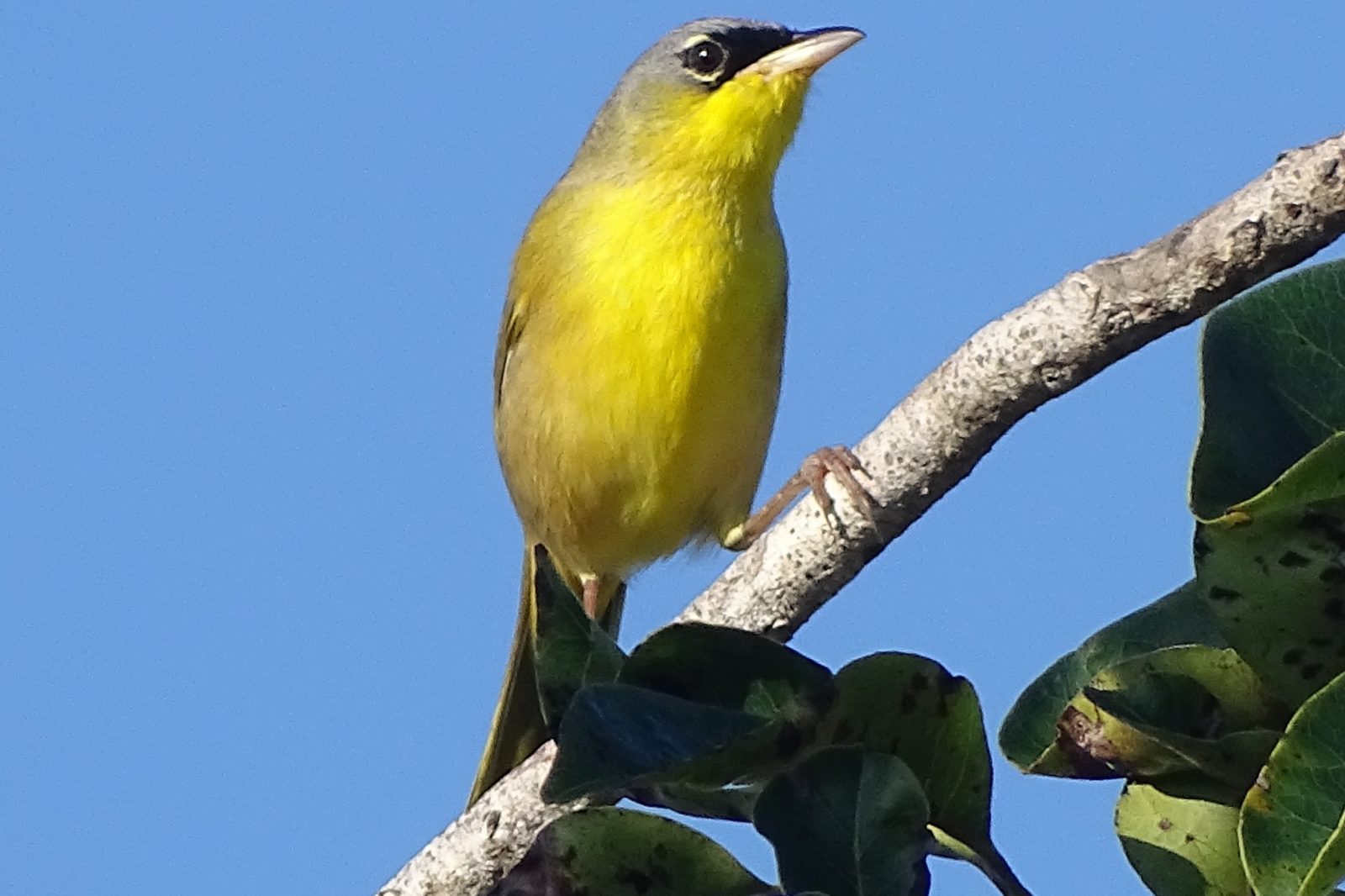
From October to March the forest fills with North American migrants — yellow warblers, redstarts, orioles — using the reserve as a refuelling stop.
The Reptiles
11. Morelet’s & American Crocodile
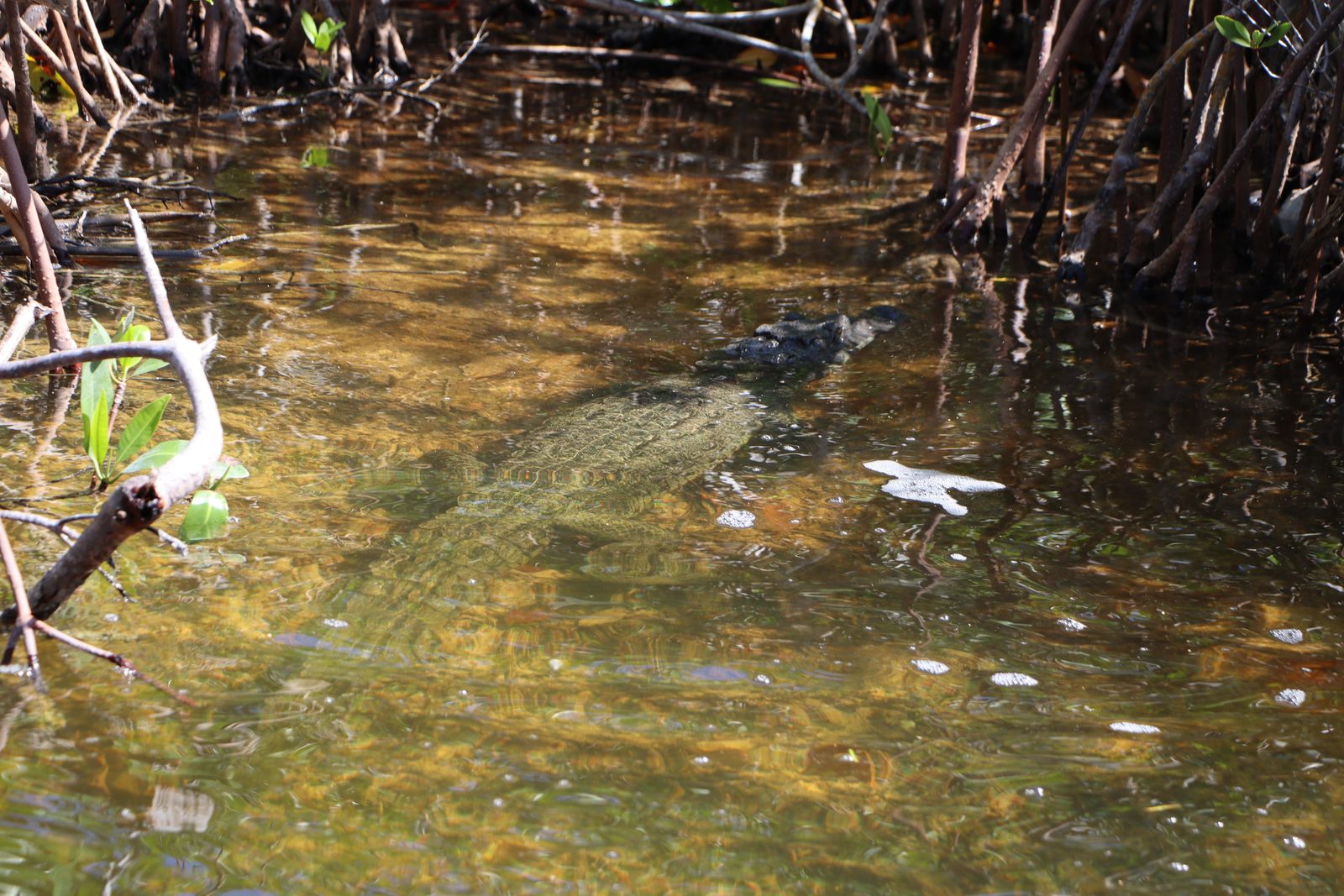
Yes, there are crocodiles — and yes, the canal float is safe. They live in specific mangrove channels, are shy of engines and people, and are watched, never approached or fed. Seeing one motionless in clear water is one of the great quiet thrills of the reserve.
Photo of crocodiles in this post: Emilio del Río Pacheco.
12. Sea Turtles
Green and loggerhead turtles nest on the reserve’s beaches from May to October. Nests are protected and monitored; night visits are not part of any tour.
13. Iguanas & Basilisks
The basilisk — the “Jesus Christ lizard” — sprints across the water surface when startled. Common along the canal banks.
The Mammals
14. West Indian Manatee
The reserve is one of their last Mexican strongholds, in Ascension and Espíritu Santo bays. Sightings are rare and entirely by luck — no tour can promise one, and any operator who does is selling you something they cannot deliver.
15. Spider & Howler Monkeys
Heard far more than seen. The howler’s dawn roar carries for kilometres and sounds like weather, not an animal.
16. Jaguar, Puma, Ocelot, Margay, Jaguarundi
All five of Mexico’s wild cats live here. You will not see them. Camera traps do; visitors essentially never do. Their presence is the reason the reserve exists at this scale — a jaguar needs room.
17. Tapir & Peccary
Forest engineers of the interior, far from the visitor routes.
The Water
18. Bonefish, Tarpon & Permit
The bay is world-famous among fly fishers for the “grand slam.” Fishing is strictly catch-and-release and community-regulated.
19. Reef Fish of the Mesoamerican Barrier
Parrotfish, angelfish, snapper and grouper on the second-largest reef on Earth, which forms the reserve’s eastern edge.
20. The Invisible Ones
Melipona stingless bees, orchids, bromeliads and the mangrove itself — four tree species holding the coastline together. Not charismatic, entirely essential.
How We Watch Without Harming
No feeding, no touching, no baiting, no chasing. Engines off near roosting sites. Small groups, fixed routes, and a carrying capacity agreed with CONANP. If an animal changes its behaviour because of us, we have already gone too close — that principle is the difference between wildlife tourism and a zoo with better scenery.
Meet the Community Behind the Tour
In just two minutes, discover who we are — the Maya families and cooperative members who make every experience authentic and regenerative:
Frequently Asked Questions: Sian Ka’an Wildlife
What animals can I actually expect to see in one day?
Herons, egrets, cormorants, frigatebirds and ospreys are near-certain. Motmots, woodpeckers and raptors are likely with a birding guide. Crocodiles are a good possibility in the right channels. Monkeys, manatees and cats are rare to essentially impossible.
Are there crocodiles where we swim?
The float and swim sections are chosen precisely because they are not crocodile habitat, and guides check them daily. Thousands of visitors float the canal every year without incident.
When is the best time for birdwatching in Sian Ka’an?
November to March combines resident species with North American migrants, and the mornings are cool. Any month works if you start at 6:00 a.m. — birds keep their own schedule.
Can I see manatees on a tour?
Not reliably. They live in the bays, sightings are rare and no honest operator will guarantee one. If you see one, it is a gift, not a product.
What should I bring for wildlife watching?
Binoculars, a hat, long sleeves, biodegradable sunscreen and patience. Tell us in advance if you are hoping for a specific species and the guide will plan the trails around it.
Ready to Meet the Neighbours?
Every species on this list shares a watershed with the community that guides you. Book your wildlife experience in Sian Ka’an directly with the Maya cooperative that protects them.
Questions? Contact us at reservacionesctsk@siankaantours.com.mx or WhatsApp +52 984 114 0750