
The Sian Ka’an Biosphere Reserve is the largest protected area in the Mexican Caribbean: 1.3 million acres of lagoons, mangrove channels, tropical forest, savannah and coral reef, beginning twenty minutes south of Tulum and running all the way to the border of Belize. UNESCO inscribed it as a World Heritage Site in 1987. The Maya named it Sian Ka’an — “where the sky is born.”
This guide is written by the Maya cooperative that has guided inside the reserve for decades. Everything below — entrance points, fees, seasons, wildlife, rules, and how to actually get in — reflects what we see on the water every morning, not what a press kit says.
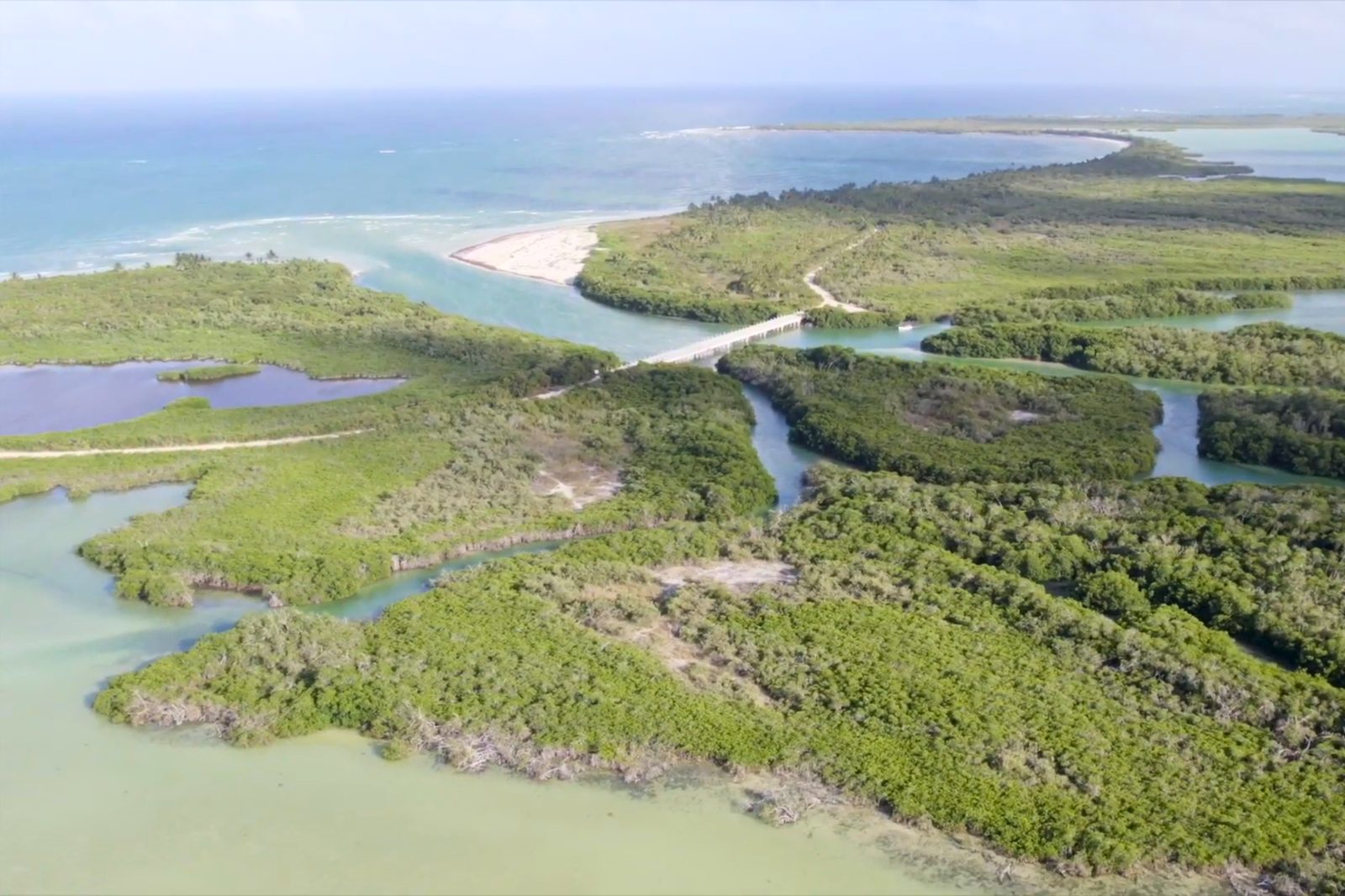
Sian Ka’an at a Glance
| Status | UNESCO World Heritage Site (1987) · Federal Biosphere Reserve (1986) · Ramsar wetland |
| Size | ~1.3 million acres (528,000 hectares) |
| Location | Quintana Roo, Mexico — south of Tulum to Punta Herrero |
| Managed by | CONANP (National Commission of Natural Protected Areas) with local communities |
| Main entrance for visitors | Muyil / Chunyaxché, 20 min south of Tulum on Highway 307 |
| Entry fee | ~$225 MXN (~US$14) per person, paid on arrival — goes to conservation |
| Ecosystems | Freshwater lagoons, mangrove, tropical forest, savannah, dune, Caribbean reef |
Why Sian Ka’an Matters (Beyond the Postcard)
Most protected areas are drawn around one ecosystem. Sian Ka’an protects an entire hydrological chain: rain falls on the forest, filters through porous limestone into an underground river system, surfaces in the lagoons, flows through mangrove channels to the bay, and finally reaches the Mesoamerican Reef — the second-largest barrier reef on Earth. Break one link and the rest suffers. That is why the reserve includes water you cannot see and forest that looks, at first glance, like ordinary jungle.
It is also inhabited. Maya communities have lived and worked in this territory for over a thousand years, and the reserve’s design recognises them as stewards rather than trespassers. The cooperative behind this guide is one of those communities — a fact Mexico formalised nationally in its 2026 community-based tourism decree.
Where to Enter Sian Ka’an
1. Muyil / Chunyaxché — the easy one
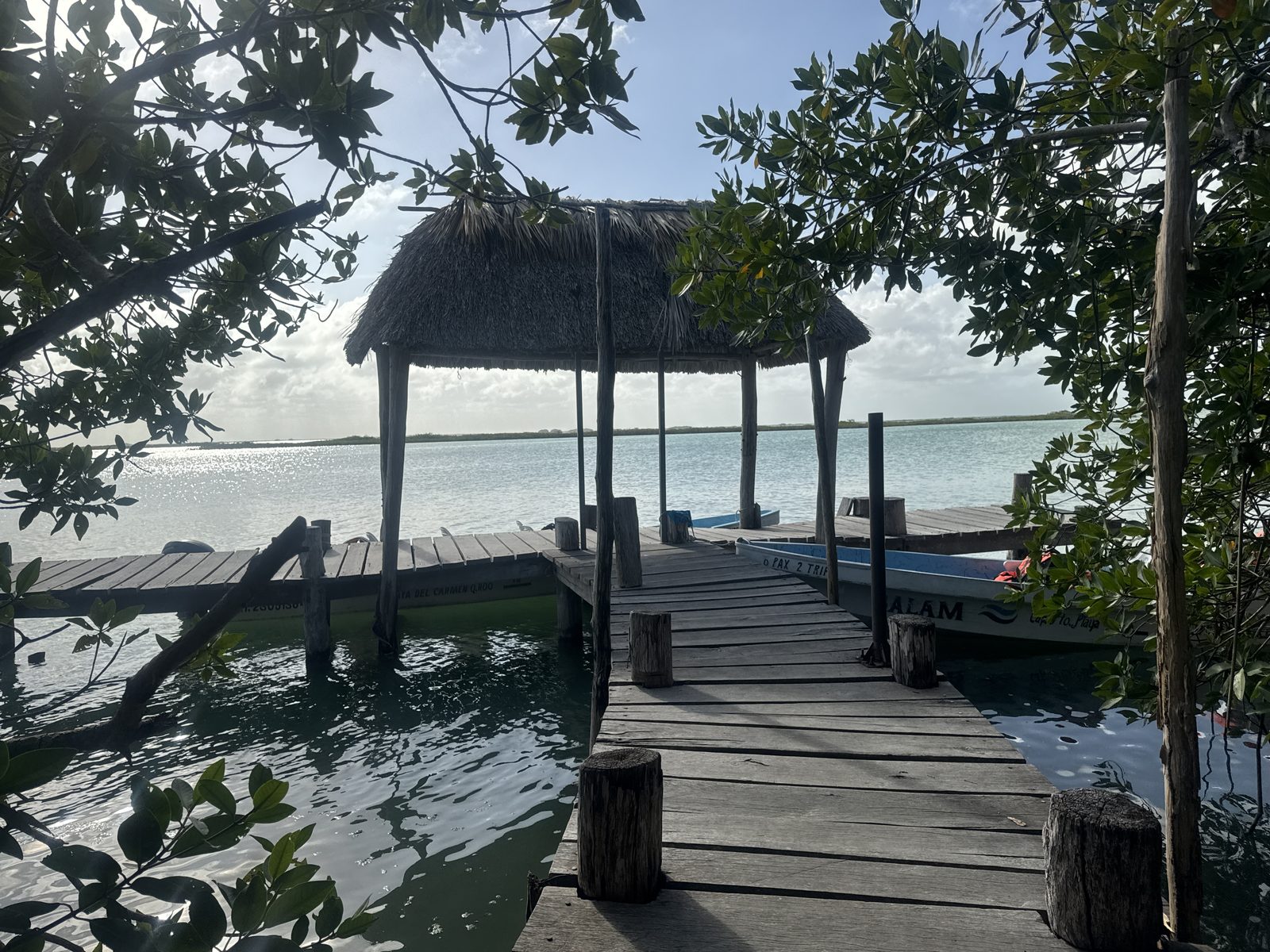
Twenty minutes south of Tulum on Highway 307, paved all the way. This is where the lagoons, the ancient Maya canal and the Muyil archaeological zone are — and where every Community Tours Sian Ka’an experience begins. If you have one day, come here.
2. Boca Paila — the rough road
The coastal road south from Tulum’s hotel zone crosses into the reserve at the Boca Paila arch. It is unpaved, potholed, slow (2–3 hours to Punta Allen) and hard on rental cars, especially after rain. Beautiful, but not a casual drive.
3. The southern approach
From Felipe Carrillo Puerto toward Punta Herrero — remote, for expedition travellers with time and a high-clearance vehicle.
The Entrance Fee: What Your Ticket Actually Pays For
The federal entry fee (approximately $225 MXN / US$14 per person, set by CONANP) is not included in tour prices anywhere, ours included — it is paid in cash on arrival. It funds patrols, monitoring, trail and dock maintenance, and the management plan that keeps boat traffic within what the lagoons can absorb. It is the cheapest conservation you will ever fund, and it is the reason the water still looks like it does.
Best Time to Visit
December–April (dry season): the postcard months. Clear skies, calm lagoons, cool mornings, peak migratory birds. Also peak demand — book ahead.
May–June: hot and green, fewer visitors, excellent light. Sargassum can affect the open coast but never the lagoons.
July–October (rainy season): afternoon showers that usually pass in an hour, spectacular skies, lowest crowds. Hurricane season peaks September–October; tours are refunded in full if weather closes the reserve.
November: the local secret — dry air arriving, everything still green, prices and crowds still low.
What Lives Here
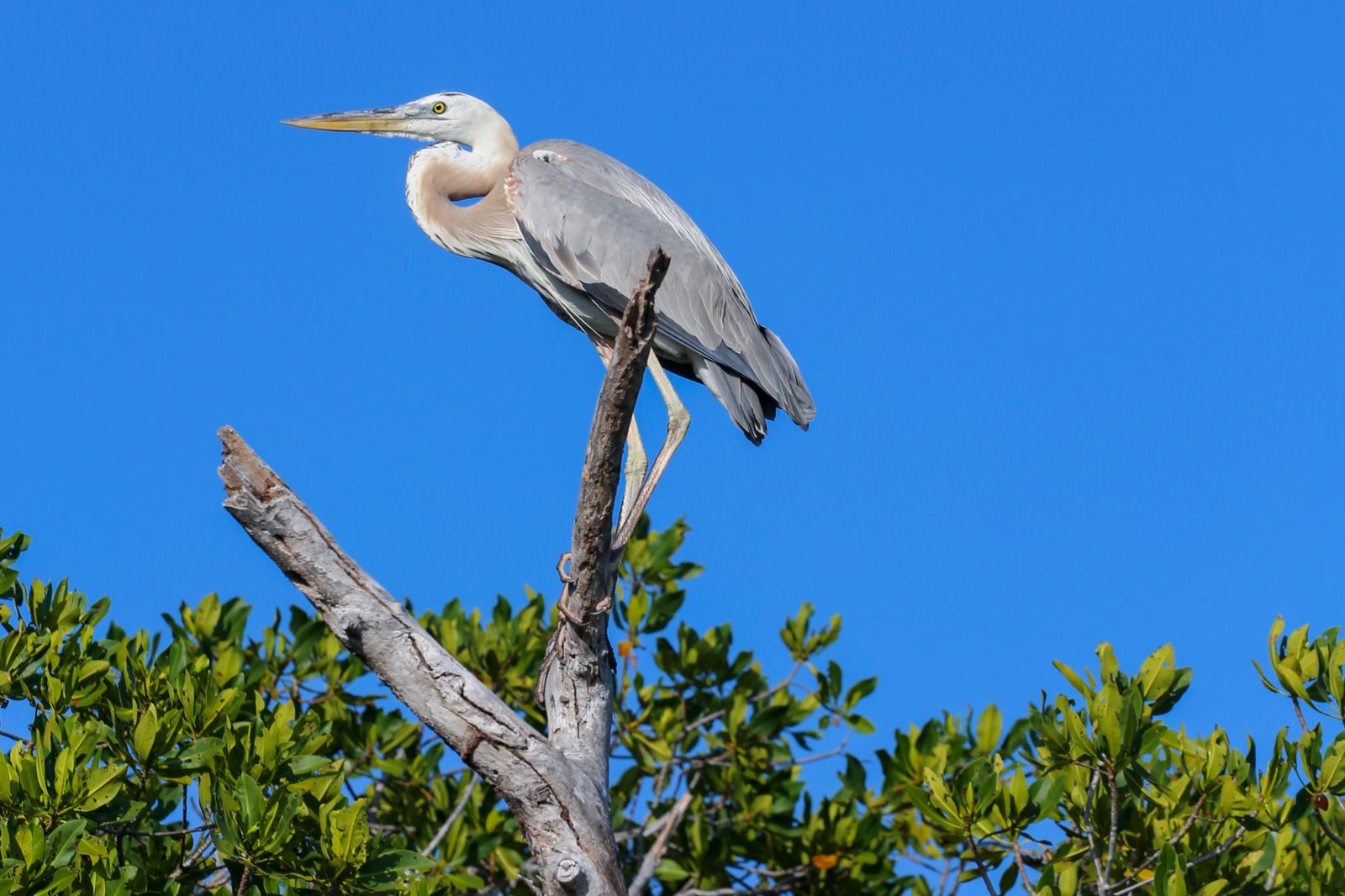
Sian Ka’an shelters roughly 345 bird species, five of Mexico’s six wild cat species (jaguar, puma, ocelot, margay, jaguarundi), Morelet’s and American crocodiles, West Indian manatees, spider and howler monkeys, tapir, and more than 300 fish species on the reef side. You will not see a jaguar — almost nobody does. You will very likely see herons, cormorants, frigatebirds, ospreys, turtles and, if you are lucky and quiet, a crocodile holding still in the shallows.
How to Experience It (Six Ways In)
Float the ancient Maya canal. A 1,000-year-old hand-dug trade channel connecting two lagoons; you drift it with a life vest. The signature experience — see the complete Ancient Canal guide.
Walk Muyil’s temples. Older than Tulum, wrapped in jungle, guided by descendants of its builders: the Muyil Sacred Mayan Immersion.
Paddle at sunrise. Small-group kayak crossings of the Muyil and Chunyaxché lagoons.
Bird the trails. The Bird Watching & Mayan Herbal Medicine tour pairs species with the plants that heal.
Take the short afternoon. Sacred Caribbean Paradise, 2.5 hours, the budget-friendly way in.
Stay for golden hour. The Sunset Ancient Canal, on request.
Not sure which fits? We compared all of them honestly — ages, prices, pickup rules — in our ranking of the best tours in Tulum.
Getting There Without a Car
Colectivos run Tulum–Felipe Carrillo Puerto and will drop you at the Muyil entrance for a few dollars, but they will not take you to the dock, and getting back is a gamble. Our 6:00 a.m. departures include pickup within Tulum; from Playa del Carmen, Puerto Aventuras or Akumal you can add round-trip transportation for $320 MXN per person, or take the Midday Ancient Canal option, which already includes it.
The Rules That Keep It Alive
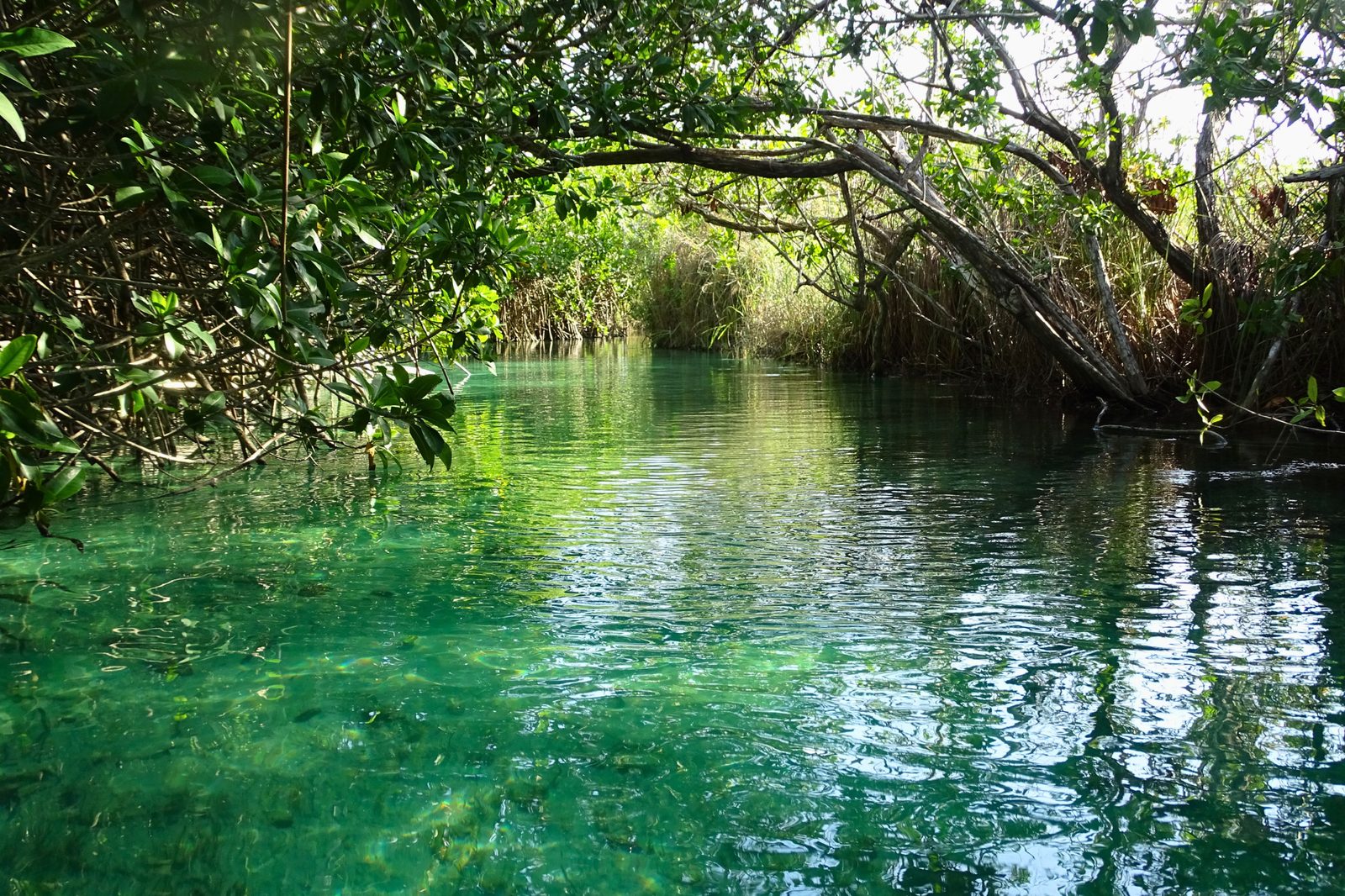
Biodegradable sunscreen only — better yet, rinse off and wear a shirt. Conventional sunscreen is toxic to reef and lagoon life.
Never touch or feed wildlife. Observation only, always from the boat or the trail.
Take everything out, including fruit peels — they are not native and they attract animals to boats.
Stay with a certified local guide. The reserve is not a park with signs; the channels are a maze and the ecosystem is fragile.
Small groups. Carrying capacity is real, and it is why the canal still feels like a secret.
Common Mistakes Visitors Make
Treating it as a half-hour photo stop — the reserve rewards slowness. Driving the Boca Paila road in a compact rental. Bringing conventional sunscreen. Booking through a reseller who cannot tell you where the money goes. And skipping it entirely because “we already did the Tulum ruins” — which is like visiting a cathedral and skipping the city.
Meet the Community Behind the Tour
In just two minutes, discover who we are — the Maya families and cooperative members who make every experience authentic and regenerative:
Frequently Asked Questions: Sian Ka’an Biosphere Reserve
What does Sian Ka’an mean?
In Yucatec Maya, Sian Ka’an is usually translated as “where the sky is born” or “gift from the sky” — a name given by the Maya who have inhabited this territory for more than a millennium.
How far is Sian Ka’an from Tulum?
The Muyil entrance is about 20 minutes south of Tulum town by car on paved highway. It is the fastest way into the reserve and where most visitor experiences start.
Do I need a guide to enter Sian Ka’an?
For the lagoons, canals and boat routes, yes — access is regulated and requires an authorised local operator. The Muyil archaeological zone can be walked independently, though a Maya guide is what turns stones into stories.
Is Sian Ka’an worth visiting?
If you want the Yucatán as it existed before mass tourism — turquoise water without wristbands, birds instead of speakers, and a community that benefits from your visit — it is the best day you will spend in the Riviera Maya. If you want infrastructure and shows, it is not.
Can you swim in Sian Ka’an?
Yes, in designated areas: the canal float and the lagoon swim spots your guide indicates. The water is fresh, clear and shallow. Life vests are provided and required.
Is the entrance fee included in tours?
No. The federal fee (~$225 MXN per person) is paid in cash on arrival at the cooperative’s palapa and goes directly to the reserve’s conservation, separate from any tour price.
Ready to See Where the Sky Is Born?
The reserve is twenty minutes from Tulum and a world away from it. Come with the Maya families who have protected these lagoons for generations — book your Sian Ka’an experience directly with the cooperative.
Questions? Contact us at reservacionesctsk@siankaantours.com.mx or WhatsApp +52 984 114 0750