
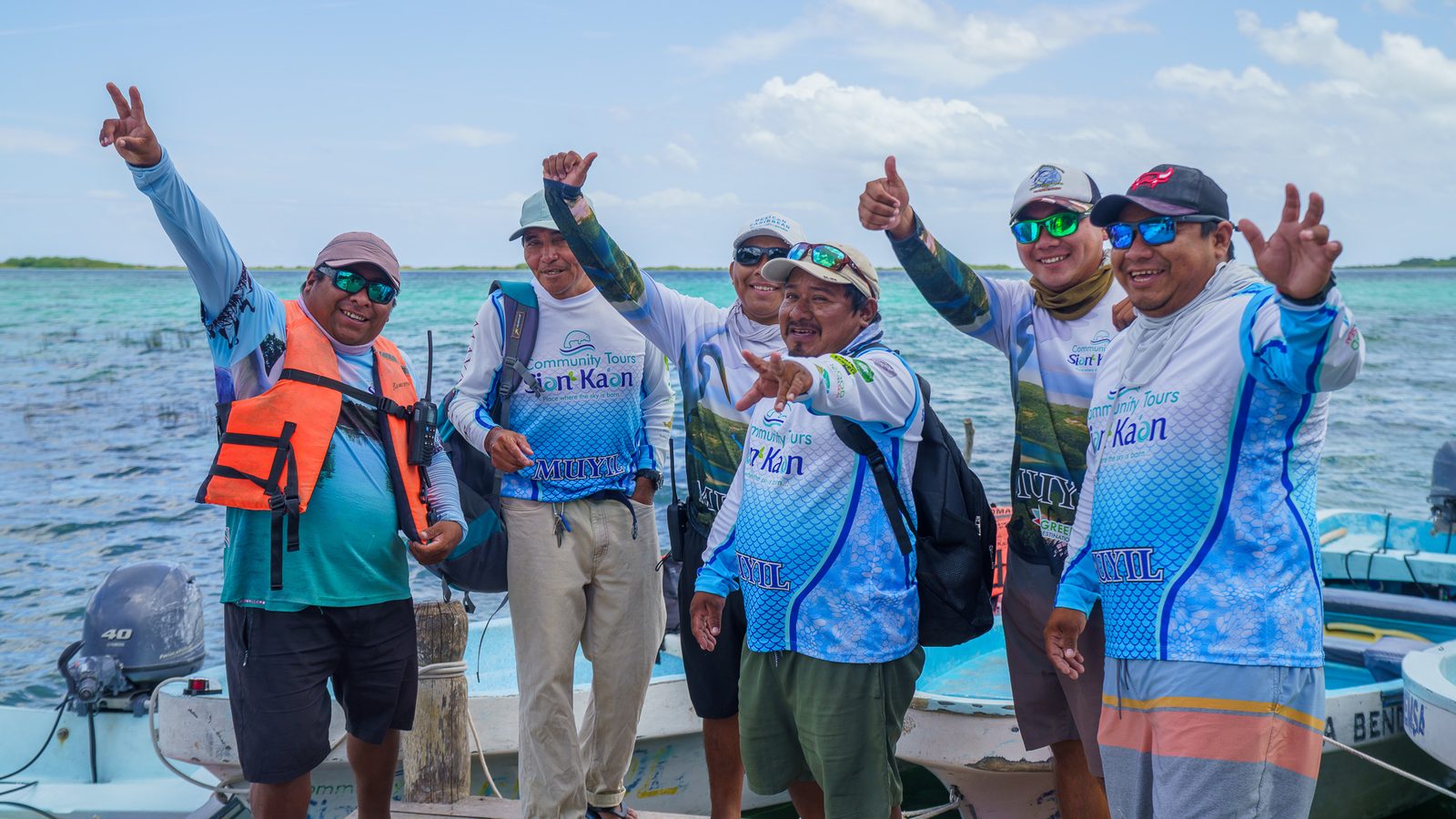
One of the most persistent errors in travel writing is the phrase “the lost Maya civilisation.” Nothing was lost. There are roughly seven million Maya people alive today across Mexico, Guatemala, Belize and Honduras — around 800,000 of them in the Yucatán Peninsula, speaking Yucatec Maya, farming, fishing, running businesses, and guiding visitors through the ruins their ancestors built.
What Actually Happened
The Classic-period collapse around 900 AD emptied some inland cities — drought, war, overextended agriculture. But the people did not vanish; they moved, reorganised and kept going. Coastal cities like Muyil traded for another six centuries. Spanish conquest, disease and colonisation did enormous damage from the 1500s. And in the 1800s the Caste War saw Maya communities in this exact region fight a decades-long rebellion that left them effectively self-governing well into the twentieth century. This coast has never stopped being Maya territory.
The Language
Yucatec Maya is spoken by around three quarters of a million people. It is not a dialect of Spanish; it is a distinct language with its own grammar, older than either. You have used it already: cenote comes from ts’onot, Sian Ka’an means “where the sky is born,” Cobá, Tulum, Muyil, Chunyaxché — every place name on your itinerary.
Living Culture, Not Costume
Milpa farming with maize, beans and squash. Melipona stingless beekeeping, thousands of years old. Traditional medicine that our Bird Watching & Mayan Herbal Medicine tour exists to share. Hanal Pixán, the Maya Day of the Dead. Ceremonies asking permission of the forest before it is worked. None of this is performance — it is Tuesday.
The Cooperative Model
Community Tours Sian Ka’an is more than 100 families organised as a cooperative: guides, boat captains, cooks and administrators who own the operation and decide in assembly. That structure is the difference between being employed by tourism and directing it — and in 2026 the Mexican federal government formally recognised the model in its community-based tourism decree.
The Next Generation
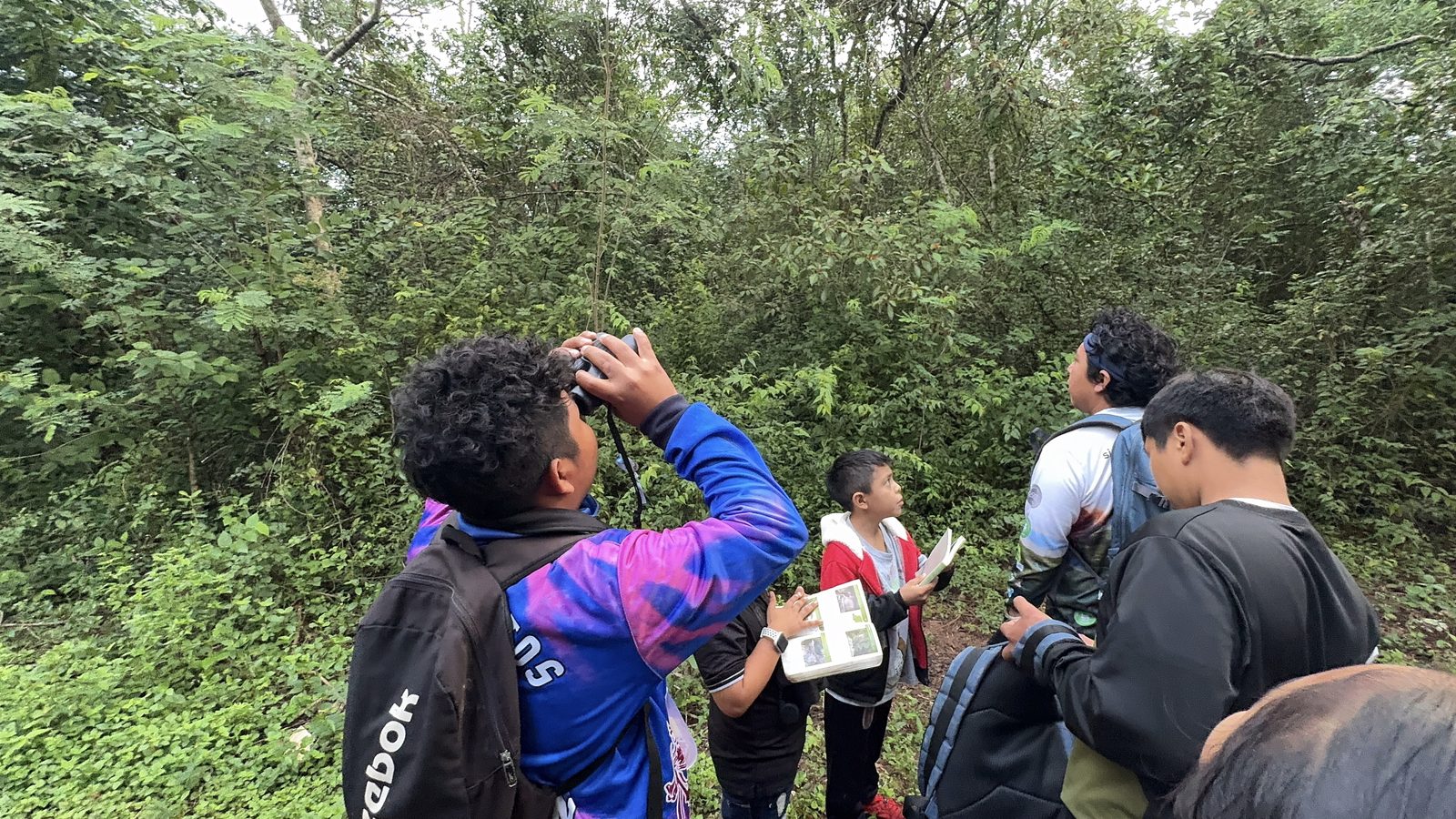
The cooperative sponsors a birding programme for children from the Maya communities, led by our president Alberto Cen Caamal and his son César. The bet is simple: a child who can name thirty birds by sight grows into an adult who defends the forest they live in. That is what regeneration looks like when it is not a marketing word.
How to Visit Respectfully
Say “Maya,” not “Mayan,” for the people (Mayan is the language family). Ask before photographing anyone. Learn two words — bix a beel (how are you), dyos bo’otik (thank you). Buy directly from makers. And choose community-owned experiences, which is the most concrete vote you can cast with a holiday.
Meet the Community Behind the Tour
In just two minutes, discover who we are — the Maya families and cooperative members who make every experience authentic and regenerative:
Frequently Asked Questions
Do Maya people still exist?
Yes — around seven million across Mexico and Central America, including roughly 800,000 Yucatec Maya speakers in the Yucatán Peninsula. The civilisation was never lost.
Is it Maya or Mayan?
Use “Maya” for the people and culture, and “Mayan” for the language family. “The Maya people,” “the Mayan languages.”
Can visitors meet Maya communities in Quintana Roo?
Yes, through community-owned cooperatives that run their own experiences — including ours in Muyil, where the guides, captains and cooks are members of the community.
What language do Maya people speak today?
Yucatec Maya in this region, usually alongside Spanish. Many place names you already use — cenote, Cobá, Sian Ka’an — come from it.
Meet the People, Not Just the Stones
The ruins are impressive. The community that descends from their builders is the reason the day means something. Book the Muyil Sacred Mayan Immersion and hear it firsthand.
Questions? Contact us at reservacionesctsk@siankaantours.com.mx or WhatsApp +52 984 114 0750