
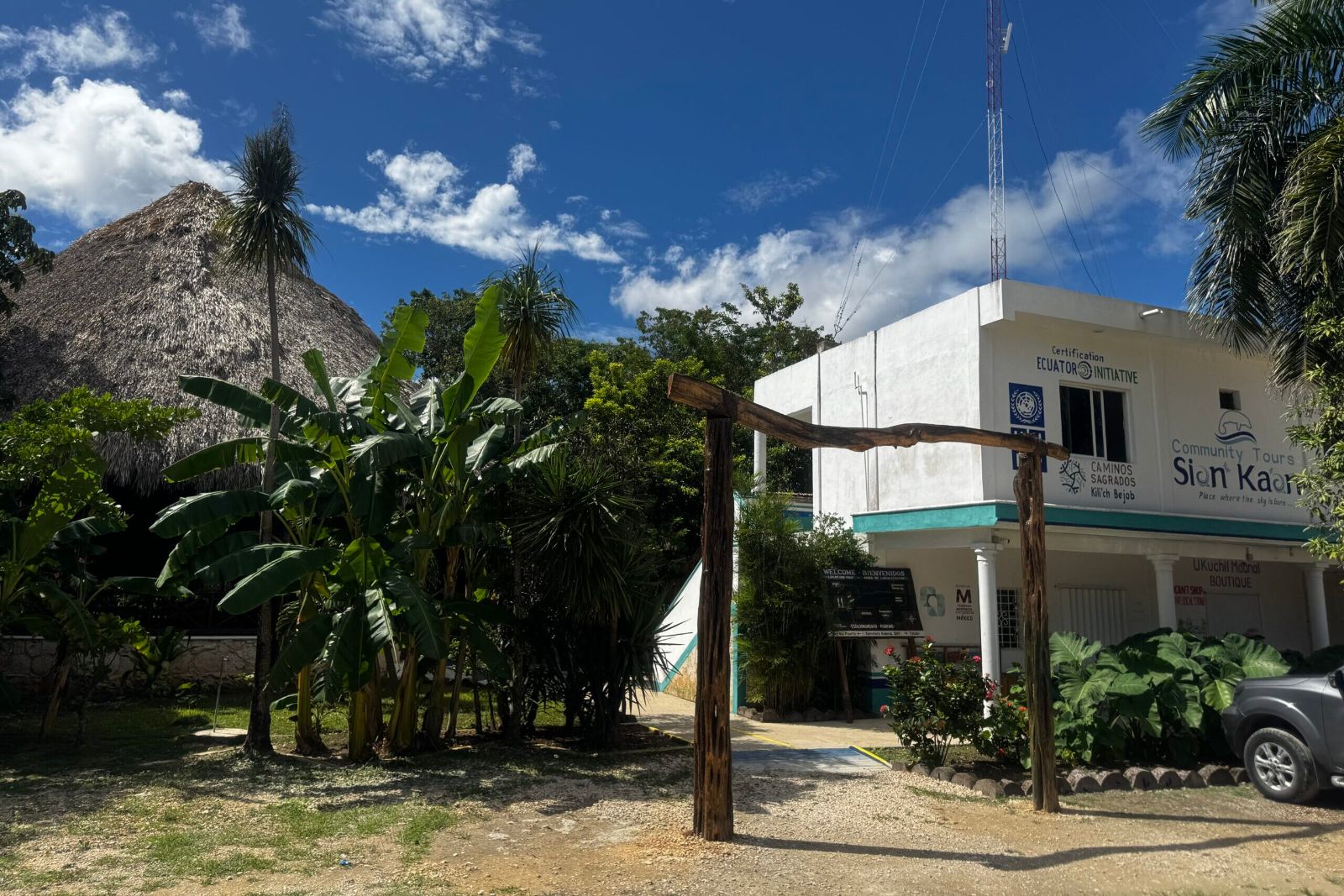
Anyone can print a green leaf on a brochure. That is exactly why we chose the harder road: an independent, audited certification. Community Tours Sian Ka’an holds the Good Travel Seal — Silver level, issued by the Good Travel Institute of the Green Destinations family — the same organization that has named Sian Ka’an among the world’s Top 100 sustainability stories. This post explains what the seal actually measures, why it is hard to earn, and the daily practices behind ours — including what happens to every drop of wastewater and every orange peel at our palapa.
What Is the Good Travel Seal?
The Good Travel Seal is a sustainability certification for tourism businesses run by the Good Travel Institute (Green Destinations). Unlike self-declared “eco” labels, it is built on the framework of the GSTC Criteria — the Global Sustainable Tourism Council standards that serve as the world’s baseline for sustainable travel — and it is verified through independent third-party audits, not promises. Businesses report evidence across ten themes: food and products, pollution, caring for people, water, employment, nature, climate, culture, waste, and management. Certification must be renewed, so the work never stops.
What “Silver” Means (and Why It Is Hard)
Levels are earned, not bought. Reaching Silver means demonstrating — with documents, records and an auditor’s review — that sustainability is embedded in how the operation actually runs: how we hire, buy, build, clean, cook, treat water, handle waste and protect the ecosystem we work in. For a small Maya cooperative, competing under the same GSTC-based framework used by international operators, Silver is not decoration. It is proof.
The Practices Behind Our Seal
Every Drop: On-Site Wastewater Treatment
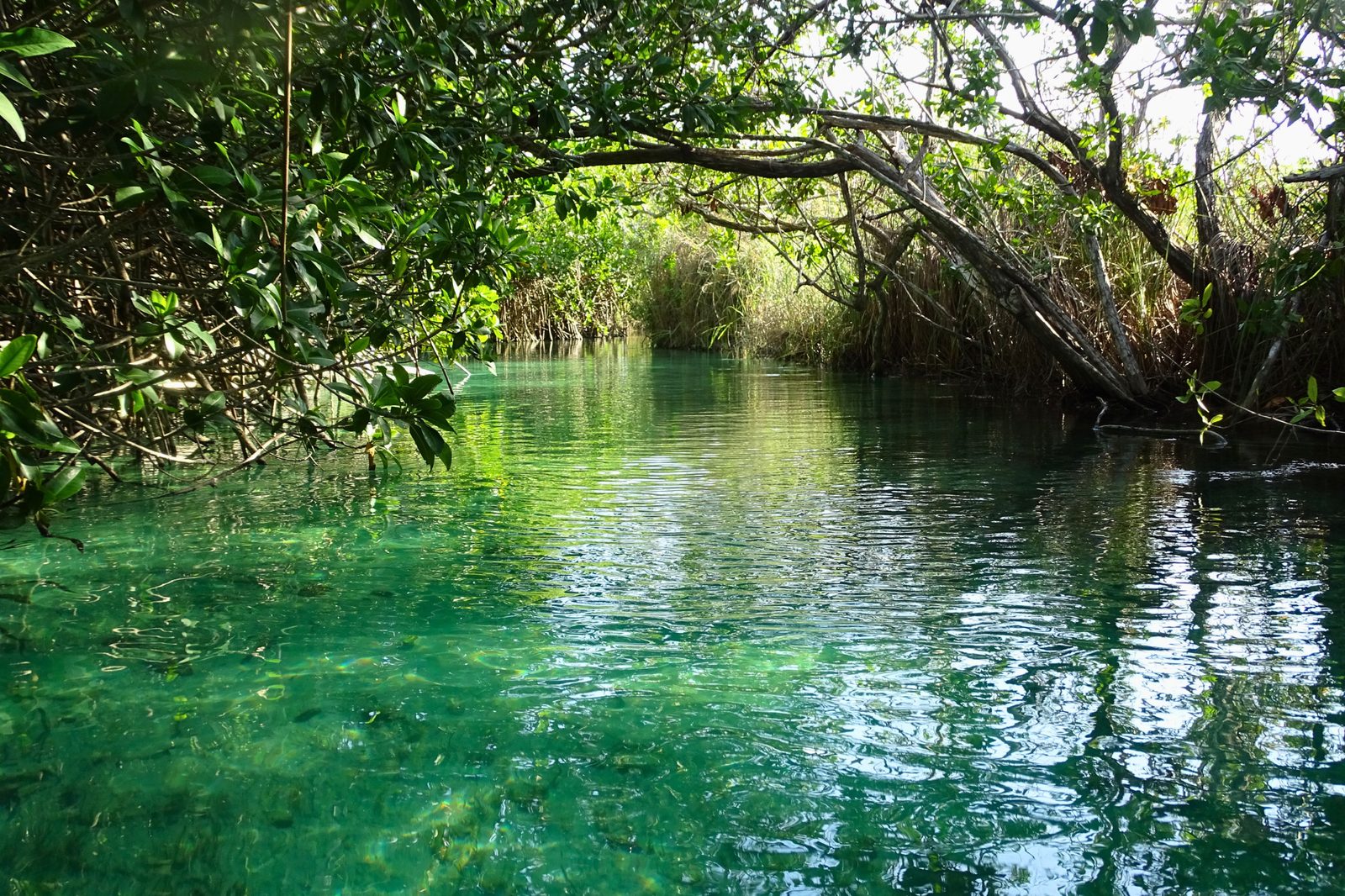
There is no municipal sewage line in the jungle — so we built our own solution. All wastewater at our facilities is treated on site, passing through staged filtration and biological treatment with plants, until it leaves the system as irrigation-quality water that returns safely to our gardens. Nothing untreated touches the wetland that feeds the lagoons — the same lagoons you float in on the Ancient Canal tour.
Every Peel: Composting the Organic
The kitchen that cooks your tour lunch separates every organic scrap. Fruit peels, vegetable trimmings and food waste are composted and returned to the soil, closing the loop between the meal you eat and the land that grew it.
Every Bottle: Recycling What Can Be Recycled
What cannot be avoided or composted is separated for recycling; what cannot be recycled is minimized at the source — buying local, buying in bulk, and refusing single-use where an alternative exists. Reduce first, then recycle, is the order of operations.
And Everything Else the Audit Looks At
Fair employment within the cooperative’s 100+ member families. Local sourcing that keeps value in the Maya Zone. Wildlife protocols — observe, never touch, never feed. Small groups within the carrying capacity of the CONANP-managed reserve. Cultural transmission led by the community itself, not performed for it. These are the habits regenerative tourism is made of — the seal simply verifies them.
Why This Matters When You Choose a Tour
Greenwashing thrives because visitors can rarely check claims from a beach chair. Certifications exist to do that checking for you. When an operator holds an audited, GSTC-based seal, “eco-friendly” stops being a font choice and becomes a verified fact. It is the same standard we suggest you apply anywhere in the world: ask who verified it. Our answer: the Good Travel Institute, independently, against the GSTC framework — three consecutive Tripadvisor Travelers’ Choice awards and a global recognition at Qatar Travel Mart alongside it.
Meet the Community Behind the Certification
In just two minutes, discover who we are — the Maya families and cooperative members whose daily work earned this seal:
Frequently Asked Questions: Our Certification
What is the Good Travel Seal?
An international sustainability certification for tourism businesses, issued by the Good Travel Institute (Green Destinations) and based on the GSTC Criteria framework, with independent third-party audits and periodic renewal.
Is it just a marketing badge?
No. It requires documented evidence across ten sustainability themes and an external audit. Certification is renewed periodically — if practices slip, the seal goes away.
What happens to wastewater on your tours?
All wastewater at our base is treated on site through staged filtration and plant-based biological treatment, producing irrigation-quality water. Nothing untreated reaches the wetland.
Do you really compost and recycle in the jungle?
Yes. Organics are composted and returned to the soil; recyclables are separated and sent to recycling; and we reduce at the source by buying local and avoiding single-use items.
How can I verify sustainability claims when I travel?
Ask three questions anywhere in the world: Who owns the operation? Where does the money go? Who verified the claims? If there is no independent answer to the third, be skeptical.
Ready to See Certified Regeneration in Action?
Certifications live on paper; the proof lives in the water, the kitchen and the community. Come see both — book your Sian Ka’an experience directly with the certified Maya cooperative.
Questions? Contact us at reservacionesctsk@siankaantours.com.mx or WhatsApp +52 984 114 0750