
Regenerative tourism is travel that leaves a place better than it found it — measurably better: healthier ecosystems, stronger local economies, living culture passed to the next generation. It goes one step beyond ecotourism and sustainable tourism, which aim to do less harm. Regeneration aims to heal. This guide explains the difference in plain language, and shows what it looks like in practice in the Sian Ka’an Biosphere Reserve, where our Maya cooperative has been quietly doing it for decades.
A Short History of Travel’s Conscience
Mass tourism arrived first, and it asked nothing. Then came sustainable tourism, which asked travel to sustain itself — take no more than the place can give. Then ecotourism, which asked travel to tread lightly in nature. Each was progress. But notice what all three have in common: at their very best, they leave a destination no worse. Zero damage is the ceiling. For places already wounded — bleached reefs, thinned forests, emptied villages — “no worse” is not enough.
The Problem with “Eco”
Walk down Quinta Avenida and count the word “eco” on tour posters. Eco-parks with parking for a thousand cars. Eco-adventures that feed wild animals for photos. The word has been stretched until it means little more than “outdoors.” This is not a reason to abandon ecotourism — the instinct behind it is right, and if you searched for eco tours in Tulum or the Riviera Maya, your instinct is right too. It is a reason to ask a better question: not “does this tour harm less?” but “does this tour heal anything?”
What Regeneration Looks Like in Practice
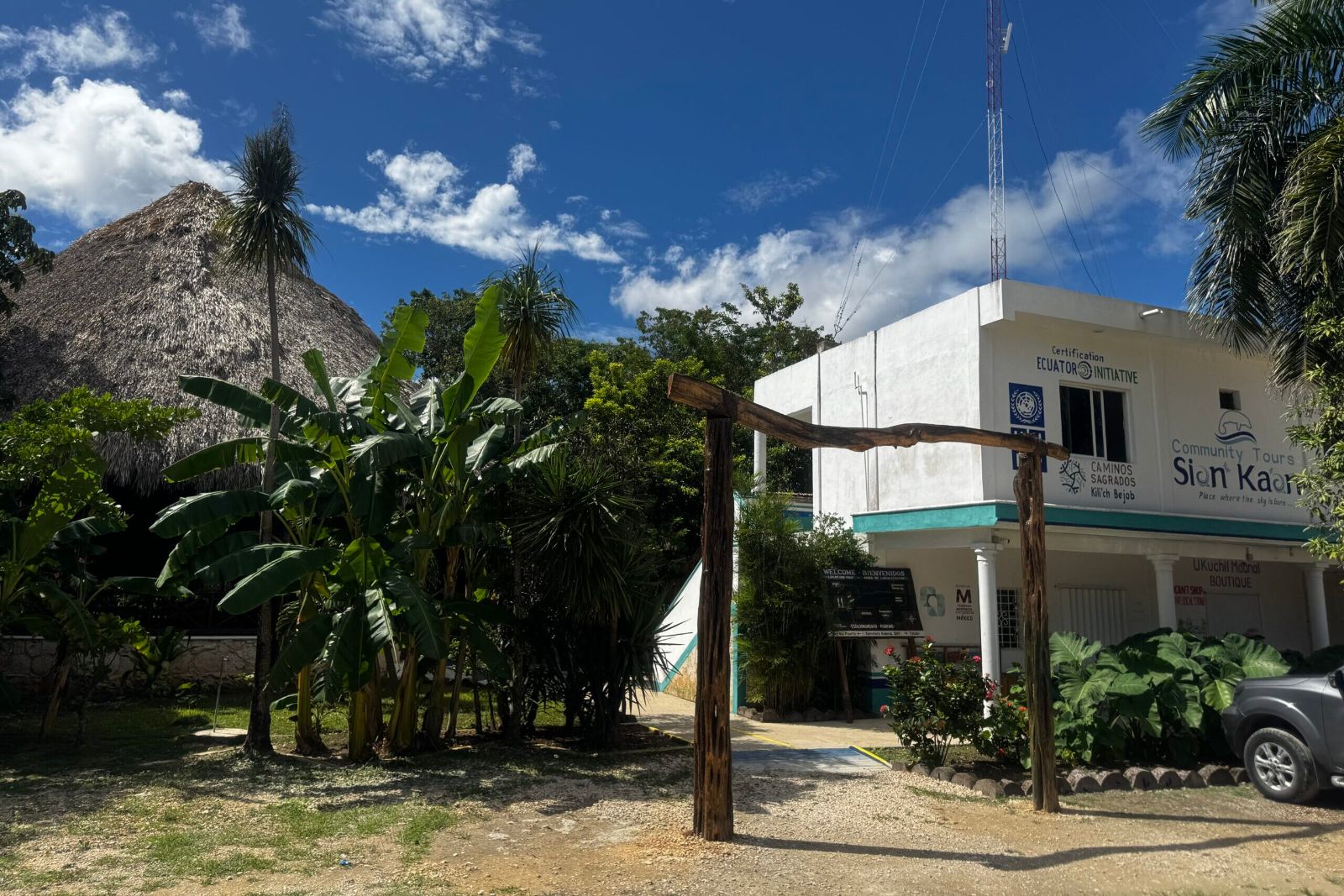
Theory is cheap, so here is the practice, from our corner of the map. In Sian Ka’an — 1.3 million acres of protected lagoons, mangrove and reef recognized by UNESCO — tourism run by the Maya cooperative works like this:
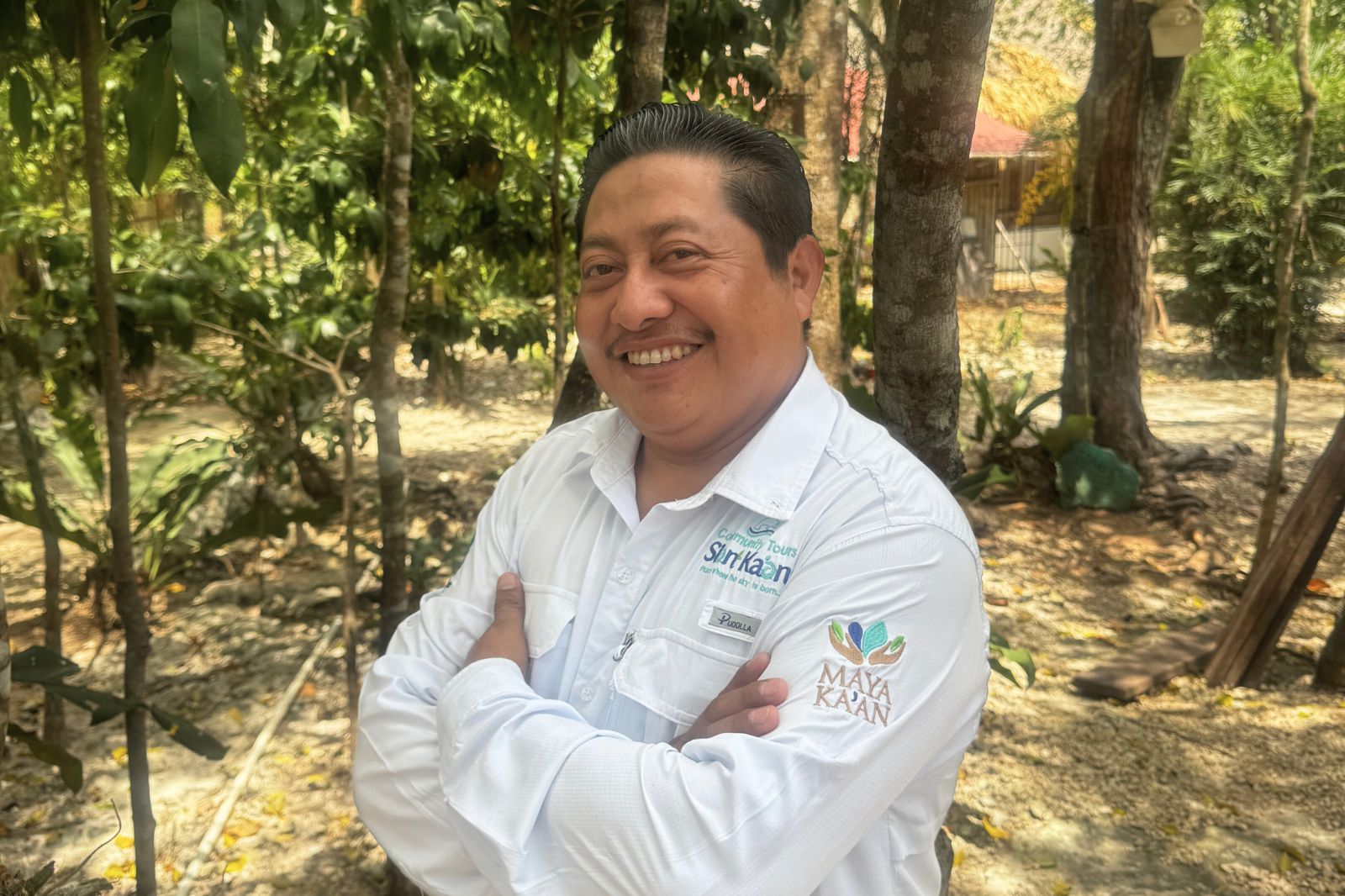
The community owns the tour. Guides, boat captains and cooks are cooperative members, not seasonal hires. Decisions are made in assembly, in the community, by the people who will live with the consequences.
Income becomes conservation. Tour fees fund patrols, wildlife monitoring and the upkeep of the reserve, alongside CONANP, Mexico’s protected-areas commission. A visitor floating the ancient canal is, literally, paying the people who keep it alive.
Culture is transmitted, not performed. When your guide explains the lagoon in words he learned from his grandfather, and lunch is cooked the way it has been for generations, culture is not a show — it is a living thing being handed forward, with you as witness.
The visitor leaves changed. Regeneration includes you. You arrive a tourist and leave something closer to an ally — which is why we say our best souvenir is a changed mind.
Five Signs a Tour Is Actually Regenerative
Use this checklist anywhere in the world before you book:
1. Ownership: Is the experience owned by local or Indigenous people — or does it merely employ them?
2. Money trail: Can the operator tell you, specifically, where your payment goes?
3. Scale: Small groups and low-impact transport, or hundreds of daily visitors?
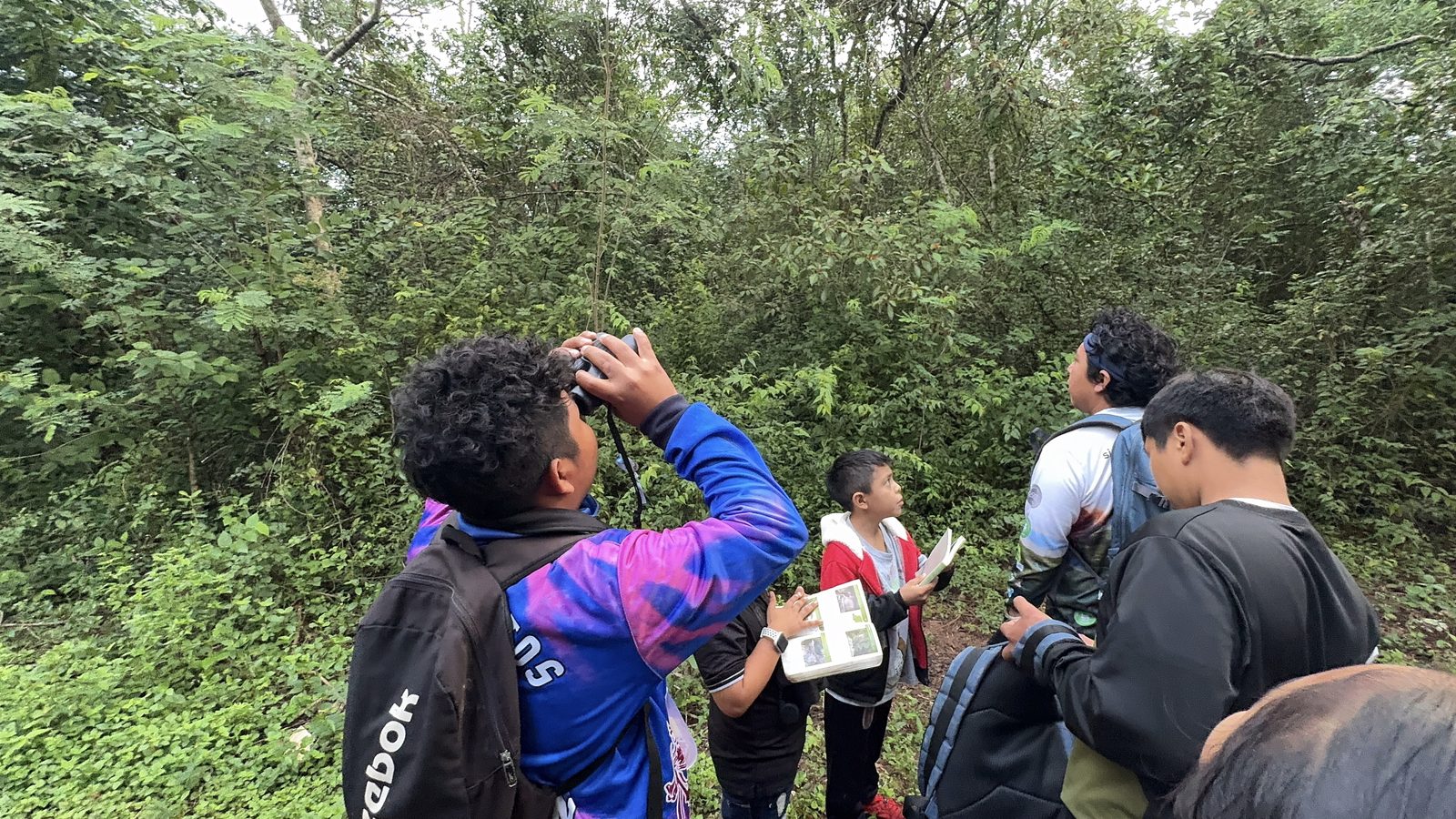
4. Wildlife ethics: Observation without feeding, touching or baiting — always.
5. Knowledge flow: Do you leave knowing more about the place and its people than when you arrived?
If a tour passes all five, book it with confidence — whoever runs it. If it fails the first two, the word “eco” on the poster is doing a lot of heavy lifting.
Mexico Is Betting on Community Tourism
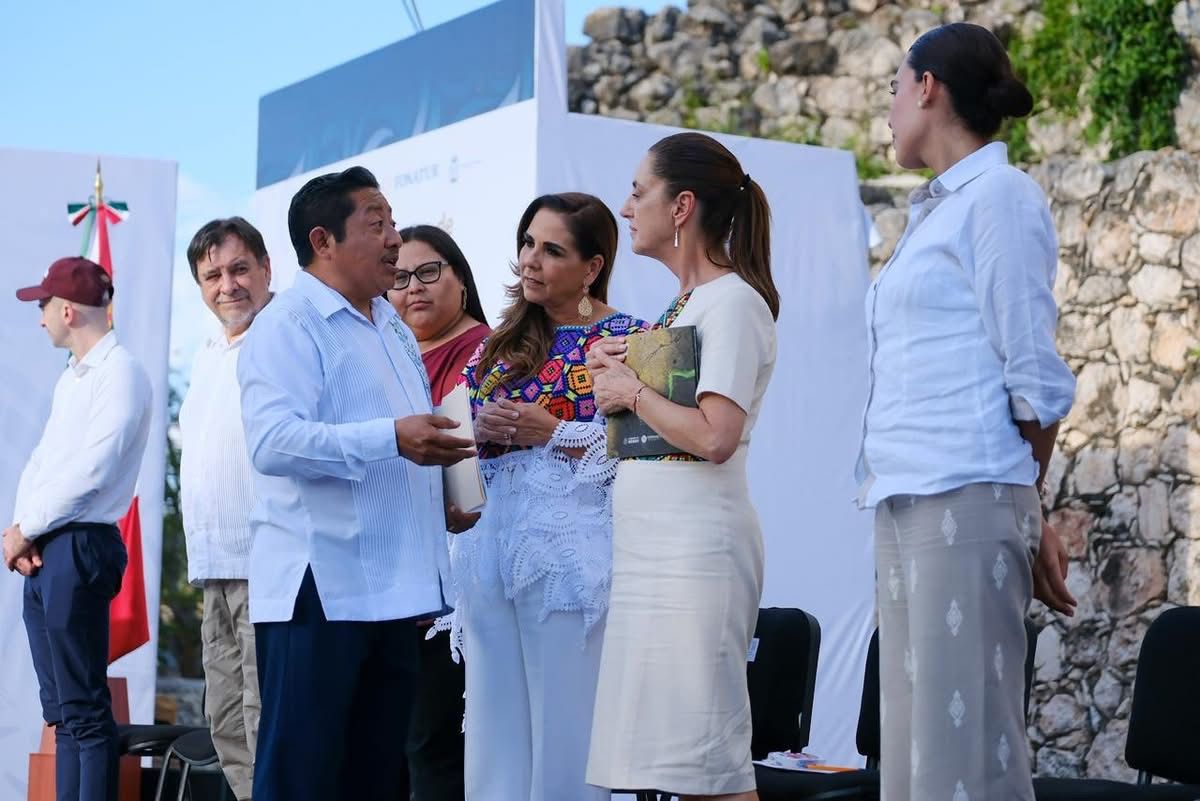
This is bigger than one cooperative. In 2026 the Mexican federal government issued a landmark community-based tourism decree, formally recognizing Indigenous and local communities as rightful stewards — and beneficiaries — of tourism in their territories. It is a national admission of what places like Sian Ka’an have long demonstrated: when communities lead, conservation follows. Our own story — from a small Muyil cooperative to global recognition — is one thread of that larger shift.
What This Means for Your Riviera Maya Trip
You do not need to overhaul your vacation. Keep the beach morning, keep the cenote swim. Just make one deliberate choice: give one day of your trip to an experience owned by the people of the place — a Maya-guided immersion at Muyil, a silent kayak crossing, a dawn of birds. One day is enough to feel the difference between visiting a destination and being welcomed into a territory. Most travelers tell us it was the day they remember.
Meet the Community Behind the Tour
In just two minutes, discover who we are — the Maya families and cooperative members who make every experience authentic and regenerative:
Frequently Asked Questions: Regenerative Tourism
What is regenerative tourism in simple terms?
Travel that actively improves the places it touches — nature, economy and culture — instead of just minimizing damage. Sustainable tourism aims for net zero harm; regenerative tourism aims for net positive impact.
What is the difference between ecotourism and regenerative tourism?
Ecotourism focuses on low-impact travel in natural areas. Regenerative tourism adds two requirements: the local community leads and benefits, and the destination is measurably better off because visitors came. Every regenerative tour is ecological; not every eco tour is regenerative.
Is regenerative tourism more expensive?
Not necessarily. Community-run tours in the Riviera Maya are priced like conventional tours; the difference is where the money goes, not how much of it there is.
How do I know a tour is not greenwashing?
Ask who owns it and where the money goes. A genuine operator answers in one sentence. Vague answers about “giving back” usually mean the poster said eco and the accounting says otherwise.
Can one trip really make a difference?
One visitor funds a guide’s day, a family’s kitchen and a patrol’s fuel. Multiply by a season and you have a working conservation economy. Sian Ka’an is the proof — its guardians are its former fishermen, funded by people like you.
Ready to Travel Like the Future Depends on It?
The word ecotourism opened the door; regeneration walks through it. Come see what tourism can be when the forest, the lagoon and the community all come out ahead — book your regenerative Sian Ka’an experience directly with the Maya cooperative, and be part of the healing.
Questions? Contact us at reservacionesctsk@siankaantours.com.mx or WhatsApp +52 984 114 0750